Move, Explore, Belong: Outdoor Culture in Hungary
As the sun becomes stronger, the weather warmer, and our mood brighter, we naturally find ourselves spending more time outdoors. Budapest offers countless opportunities to enjoy exercise in the open air. Margaret Island remains a beloved spot for runners, walkers, and anyone who enjoys training surrounded by nature; its 5.3‑kilometer running track is a classic route for both locals and international students. For those who prefer hills and sweeping views, Normafa in the Buda Hills provides the perfect setting for hiking, stretching, or even a relaxed weekend picnic workout. Along the Danube, the Kopaszi Dam park offers wide, smooth paths ideal for cycling, rollerblading, or simply moving at your own pace by the water.
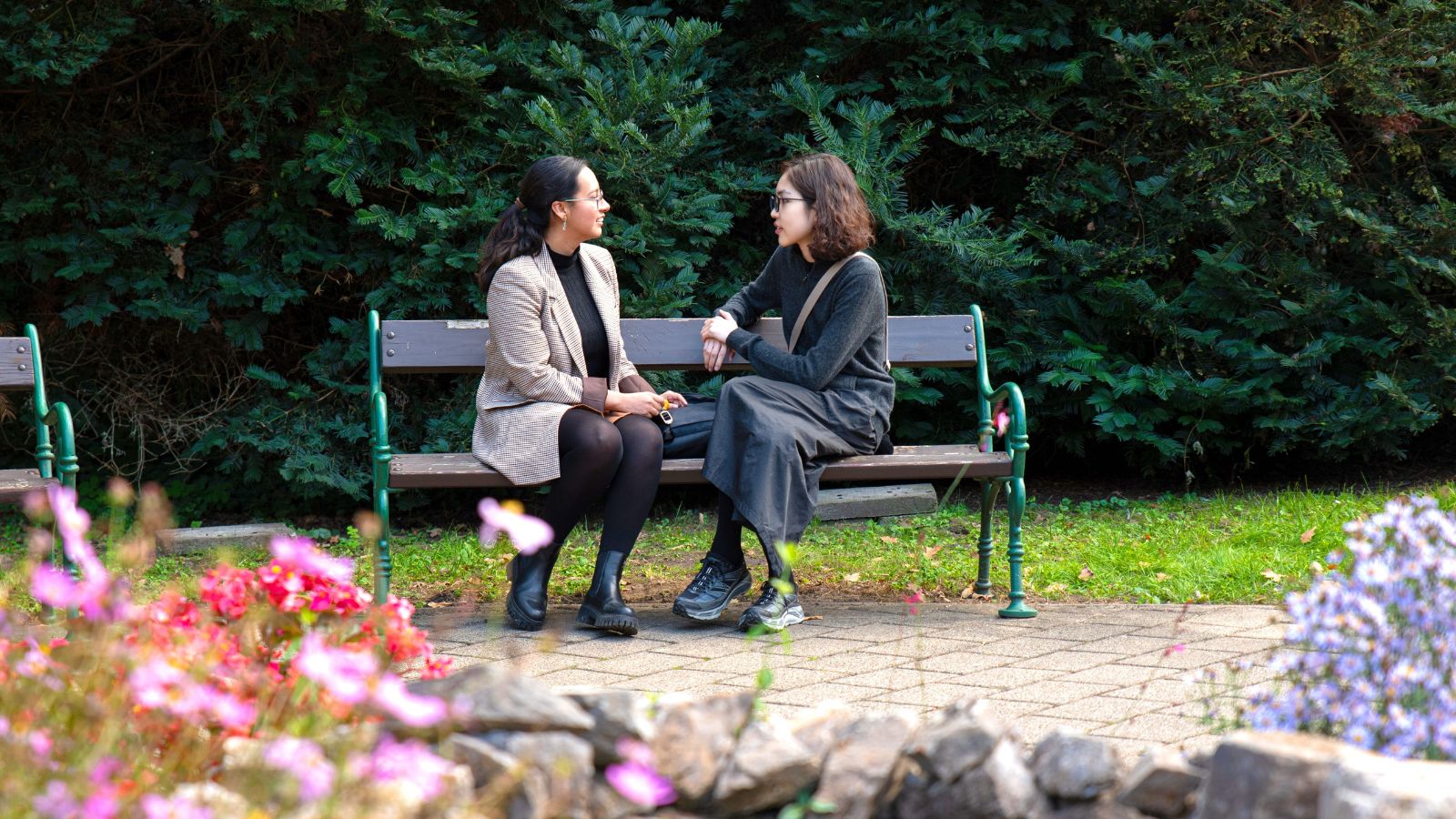
However, beyond the capital, cities like Szeged, Debrecen, and Pécs provide lakeside parks, riverside trails, and open-air sports fields that make every day exercise easy. Whether you prefer running, hiking, yoga, or long walks, Hungary’s outdoor spaces make staying active feel like a natural part of daily life.
Protecting Nature Since 1902: Hungary’s Day of Birds and Trees
Birds and Trees Day (May 10) is one of Hungary’s oldest nature‑focused traditions, created to raise awareness about protecting native bird species, forests, and natural habitats. It dates back more than a century and remains an important part of Hungary’s environmental education efforts.
It has been celebrated in Hungary since 1902, when it was officially introduced in schools by Minister Albert Apponyi, following the initiative of renowned naturalists Ottó Herman and István Chernel. The day was designed to teach children about the importance of birds, forests, and ecological balance, and it quickly became a nationwide tradition.
Today, the celebration continues to highlight the role of birds in maintaining healthy ecosystems and the essential environmental “services” provided by trees—from slowing climate change to supporting biodiversity and improving human well‑being.
For visitors and students in Hungary, Birds and Trees Day is also a perfect opportunity to explore the country’s green spaces. Budapest and other regions offer a wide range of parks where you can observe local birdlife, enjoy diverse tree species, and experience the natural heritage that inspired this tradition. Recommended parks in Budapest include Városliget, one of the city’s largest and most iconic green areas; Orczy‑kert, known for its peaceful lake and walking paths.
Transportation is a real deal – Travel from A to B with ease
Since 2015, Hungary has celebrated the Day of Transport Culture on May 11, a reminder that safe, respectful, and sustainable mobility is something we all shape together. And if there’s one thing most newcomers quickly notice, it’s how surprisingly easy it is to get around — especially in Budapest.

The city’s public transport system is so well- connected that moving from one place to another often feels effortless. You can hop on the M4 metro and be across the city in minutes, jump on tram 4–6 at almost any hour of the day, or take a scenic ride on tram 2 along the Danube that feels more like sightseeing than commuting. Even smaller towns and university cities like Szeged, Debrecen, or Pécs offer reliable trams and buses that make everyday travel simple.
And for weekend explorers, Hungary’s intercity trains and regional buses open the door to lakes, castles, and countryside towns without needing a car. For many international students, this ease of movement becomes part of their daily rhythm — a small but meaningful freedom that makes studying and living here feel more accessible, connected, and enjoyable.
Museums Matter: Preserving the Past, Inspiring the Future
May has a way of inviting us indoors and outdoors at the same time. The city warms up, but there are still many stories waiting behind museum doors. This month, several exhibitions offer windows into worlds that feel both distant and strangely familiar. At the Hungarian National Museum, the Attila – The Hun and the Legend of the Scourge of God exhibition doesn’t just recount history; it unravels the layers of myth and memory surrounding a figure who has shaped Europe’s imagination for centuries.
Across town, the Museum of Fine Arts opens a quieter, dreamlike space with The Desire for Earthly Paradise, where paintings and objects trace humanity’s timeless search for beauty, harmony, and a world made perfect. And for those drawn to the questions of tomorrow rather than yesterday, the Ludwig Museum’s Black Mirror – The Long Shadow of the Future steps into the realm of technology, uncertainty, and the shifting boundaries between human and machine. Together, these exhibitions create a journey through time — from ancient legends to imagined utopias to the futures we’re already stepping into, reminding us why museums matter: they help us understand where we come from, what we long for, and what kind of world we might be building next.
Day of Cultural Diversity: International Students and their impact
Hungary’s growing international academic community is a powerful reflection of cultural diversity in action, largely supported by the Stipendium Hungaricum Scholarship Programme.

Each year, students from more than 100 countries across five continents choose Hungary to pursue higher education, contributing to a vibrant and multicultural learning environment. With over 900 study programmes offered in English and other foreign languages across 30 Hungarian higher education institutions, our country has become an increasingly attractive destination for global talent.
Today, more than 10,000 scholarship students are currently studying in Hungary, while over 20,000 graduates have already completed their studies since the programme’s launch in 2013. The rising interest is further highlighted by the 2026–2027 application cycle, which saw 113,930 applicants — an impressive 42% increase compared to the previous year. Beyond academic excellence, this diversity fosters meaningful intercultural exchange, with students bringing together different perspectives, traditions, and experiences, making Hungary not only a place of study, but also one where cultures connect and thrive.
Source:
https://mnm.hu/kiallitasok/attila
https://www.ludwigmuseum.hu/kiallitas/black-mirror-jovo-hosszu-arnyeka
https://www.szepmuveszeti.hu/kiallitasok/a-foldi-paradicsom-vagya/
https://stipendiumhungaricum.hu/about/
https://zoldnap.info/en/celebrating-the-day-of-birds-and-trees/