Where the River Remembers
The Danube has always been the storyteller of Budapest. Flowing between the hills of Buda and the flatlands of Pest, it frames one of the world’s most extraordinary urban landscapes. UNESCO first recognized this view in 1987, acknowledging its architectural and historical significance.
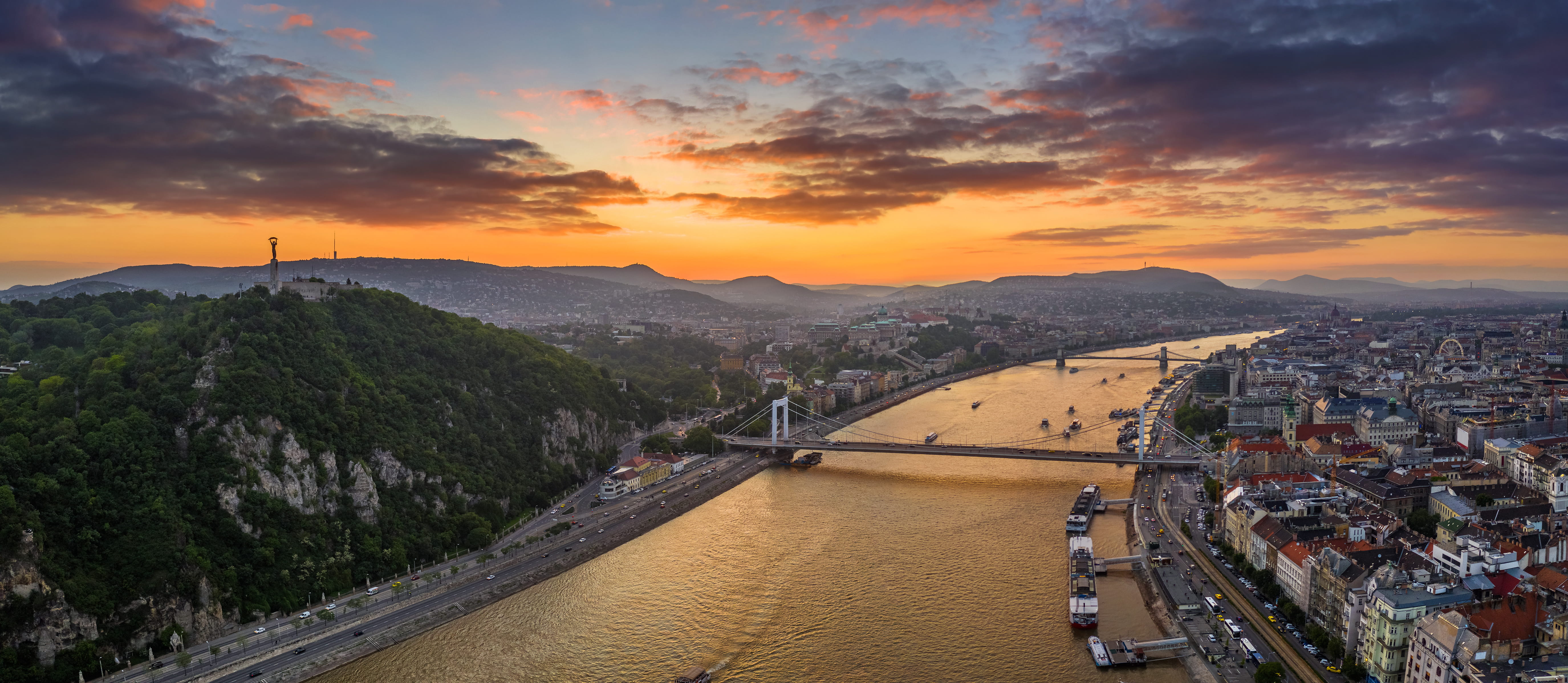
Walking along the riverbank, you feel the centuries layered around you. On the Pest side, the Hungarian Parliament Building rises like a Gothic crown, its reflection shimmering in the water. On the Buda side, the Castle Hill towers above, crowned by the Royal Palace and the medieval streets of the Buda Castle Quarter. These landmarks; together with the iconic Chain Bridge, form the heart of the UNESCO‑listed panorama.
The Buda Castle Quarter: A Hilltop Chronicle
Climbing the cobblestone paths of Castle Hill feels like stepping into a time capsule. The Buda Castle Quarter, also inscribed in 1987, preserves layers of Roman, medieval, Gothic, Baroque, and modern history.
Here, King Béla IV built the first royal residence after the Mongol invasion in the 13th century, setting the foundation for a district that would become the symbolic heart of Hungary.
Matthias Church, with its colorful Zsolnay‑tiled roof, stands as a testament to centuries of coronations and royal ceremonies. Just steps away, the Fisherman’s Bastion offers a fairy‑tale panorama of the city, its seven towers representing the seven Magyar tribes who founded the nation.
Every stone here whispers stories of kings, battles, and rebirth.
Andrássy Avenue: The Grand Boulevard of a Modernizing Nation
If the Castle Quarter tells the story of medieval Hungary, Andrássy Avenue tells the story of a nation stepping boldly into modernity. This elegant boulevard, added to the UNESCO list in 2002, stretches from the city center to Heroes’ Square.
Built between 1872 and 1885, Andrássy Avenue was part of a visionary urban development plan that celebrated the unification of Buda, Pest, and Óbuda into Budapest in 1873.
Lined with Neo‑Renaissance palaces, cafés, and the Hungarian State Opera House, the avenue is more than a street—it is a cultural artery. Beneath it runs the Millennium Underground Railway, the first metro line in continental Europe, opened in 1896 to celebrate Hungary’s 1000th anniversary.
At its northern end lies Heroes’ Square, guarded by statues of Hungary’s most important leaders and the Millennium Monument, forming one of the city’s most iconic ceremonial spaces.
A City of Resilience and Reinvention
Budapest’s UNESCO sites are not frozen relics—they are chapters in a story of resilience. The city has endured invasions, wars, and political upheavals, yet each era left behind architectural treasures that now coexist in harmony.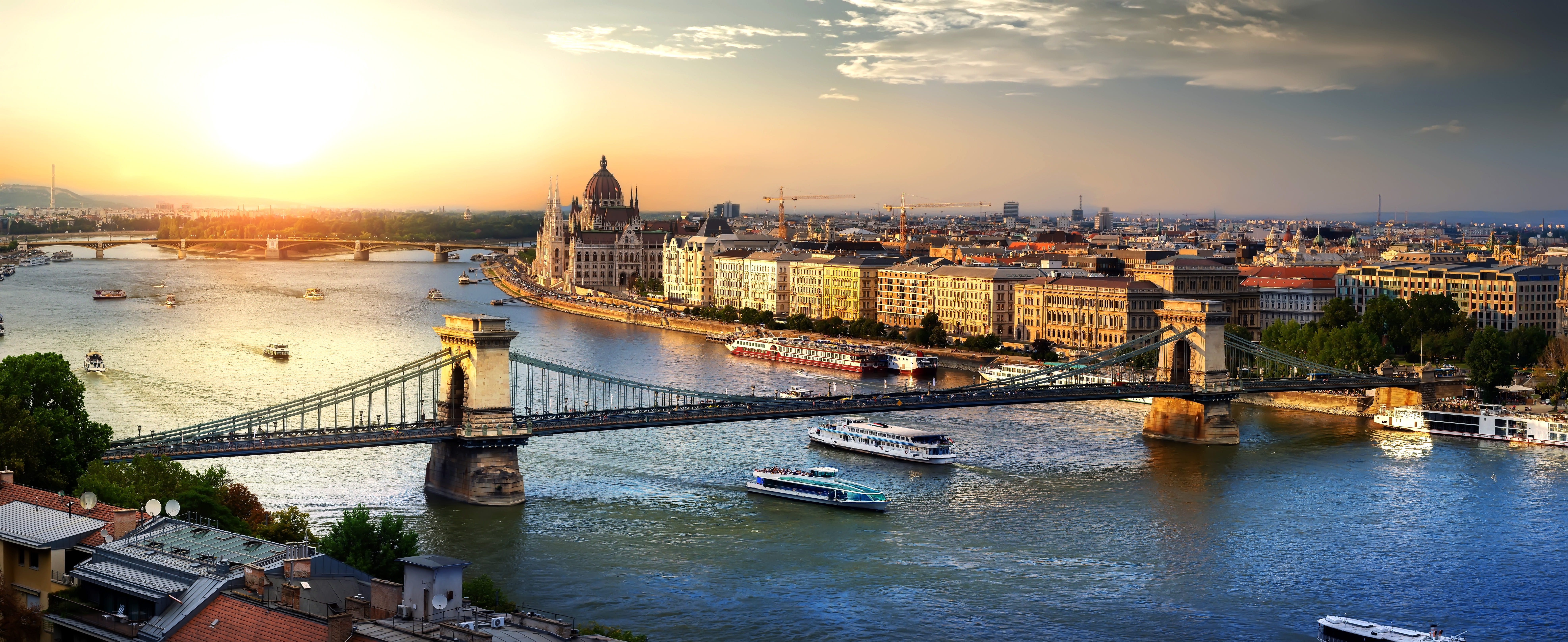
From the Roman ruins of Aquincum to the Gothic spires of Buda Castle, from the Baroque palaces to the modernist structures of the 19th century, Budapest’s heritage reflects the evolution of Central Europe itself.
Why Budapest’s Heritage Matters
UNESCO recognition is not merely an honor—it is a promise. A promise to preserve the city’s cultural and architectural legacy for future generations. Hungary committed to safeguarding these sites, ensuring that the Danube panorama, the Castle Quarter, and Andrássy Avenue remain as breathtaking tomorrow as they are today.
A Living World Heritage
As night falls, the city lights shimmer on the Danube, and Budapest transforms once again. The Parliament glows golden, the bridges sparkle, and Castle Hill stands illuminated like a guardian of history.
Budapest is not just a city with UNESCO sites—it is a UNESCO experience. A place where the past and present meet at every corner, where history is not only preserved but lived. Studying in Budapest offers a story that unfolds with every step along the river.
___________________________________________________________________________________________________________
Sources
- UNESCO World Heritage Centre – Budapest, including the Banks of the Danube, the Buda Castle Quarter and Andrássy Avenue
https://whc.unesco.org/en/list/400/ (whc.unesco.org in Bing) - Hungarian National Tourist Office – Budapest World Heritage Sites
https://visithungary.com - Budapest History Museum – Castle District Historical Overview
https://budacastlebudapest.com - Millennium Underground Railway (M1) – BKK / Budapest Transport Centre
https://bkk.hu/en - Hungarian Parliament Building – Official Information
https://parlament.hu